
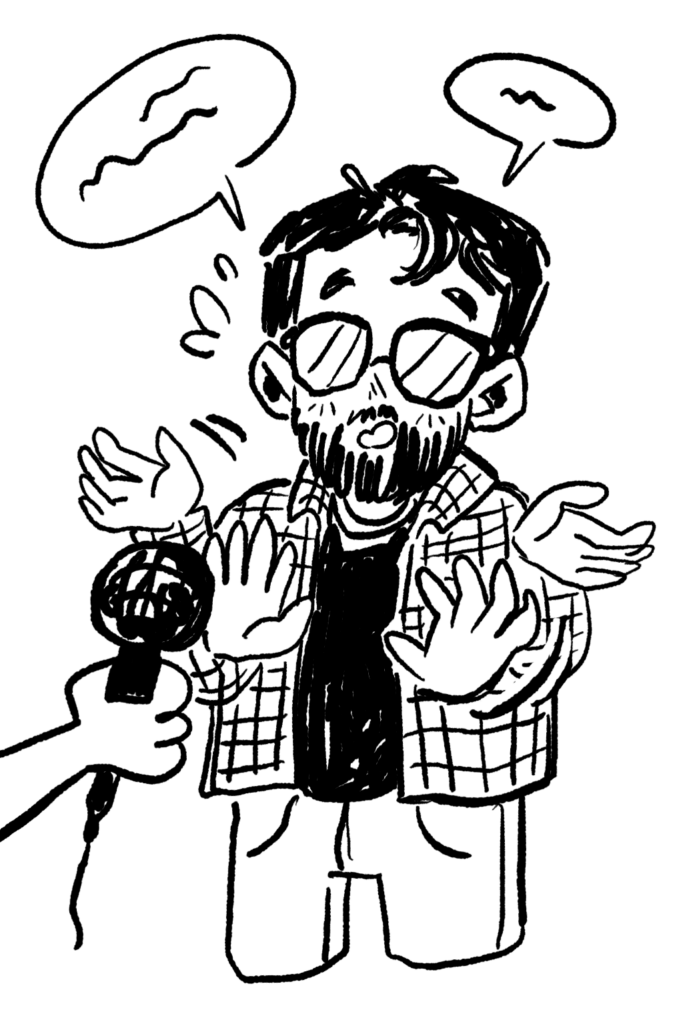
In-depth interviewinterview withwith Àlex Roca,Roca, directordirector ofof LueeLuee AnimationAnimation
How a small studio in Manlleu has managed to bring Míriam Bonastre’s comic universe to life for 3Cat (SX3). We talk about creativity, technical ingenuity and the challenge of making quality animation with a budget much lower than your regular show.
The Origin: A Bridge Between Webcomics and Television
Q: Valentina de Montblanc has generated a lot of excitement on social media since it was announced. How did this project come about and how did it end up in the hands of Luee Animation?
Àlex: It all stems from the success of La princesa i Sant Jordi, the graphic novel by Míriam Bonastre. When 3Cat saw the potential of this universe for the SX3 channel, they considered creating a spin-off series centered on the character of Valentina. It was at this point that we connected.
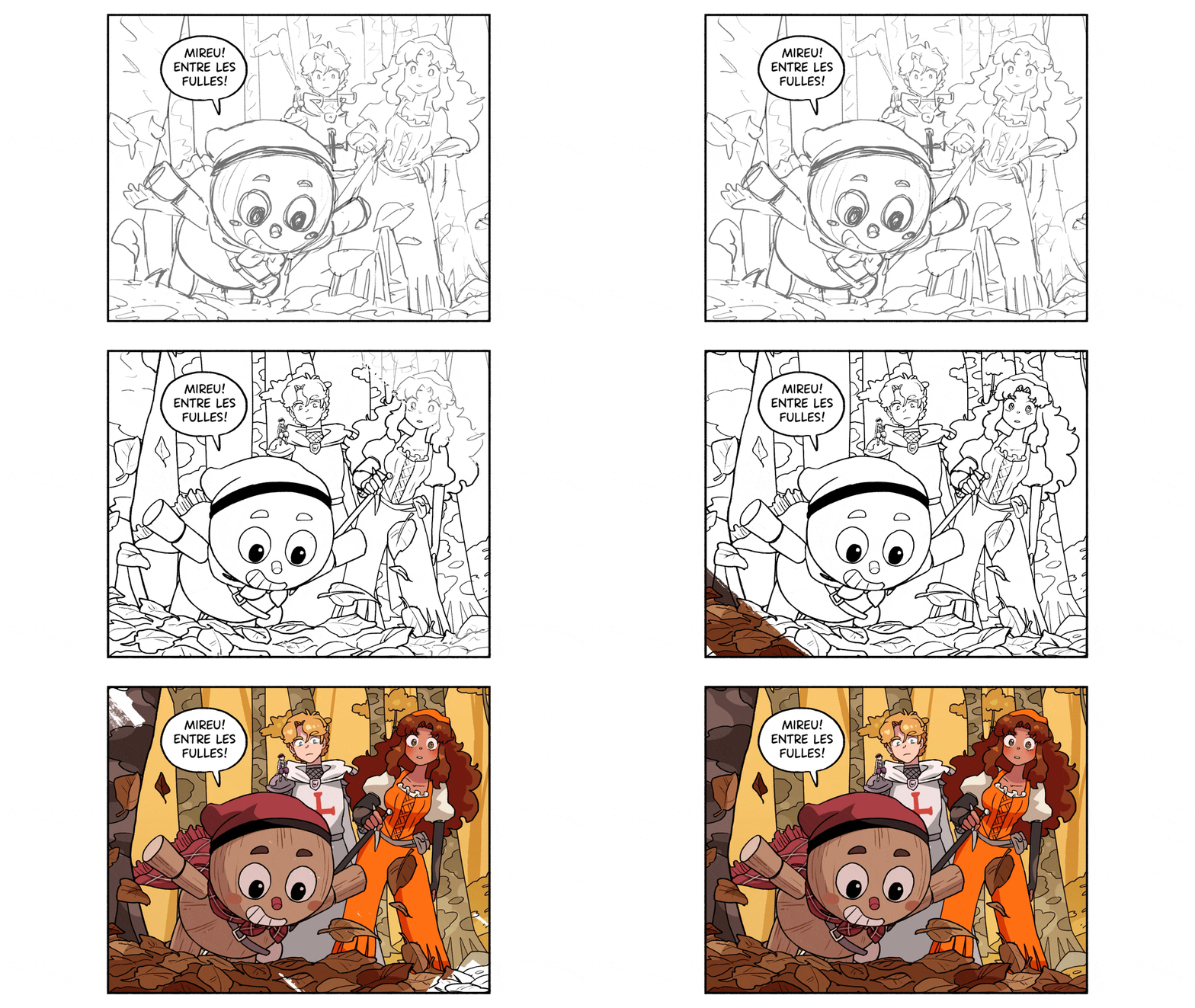
For a studio located in Manlleu, far from the usual large production centers, and with a central team that barely reaches ten people, receiving this commission was an incredible moment, but also dizzying. From the first minute we had very clear that our main objective was absolute fidelity. Míriam’s style has a very organic line, a lot of vignette and illustration, and transferring this manual warmth to digital movement without it seeming artificial was the biggest artistic challenge.

The production model: The challenge of a very limited budget
Q: It is often said that animation is one of the most expensive and complex arts in the audiovisual world. How does an independent studio manage a project of this magnitude?
Àlex: With great honesty and with our feet on the ground from day one. If we look at the big international productions, the numbers are dizzying. To give people an idea: the entire budget we had to produce the entire series is a quarter of that of a regular anime.
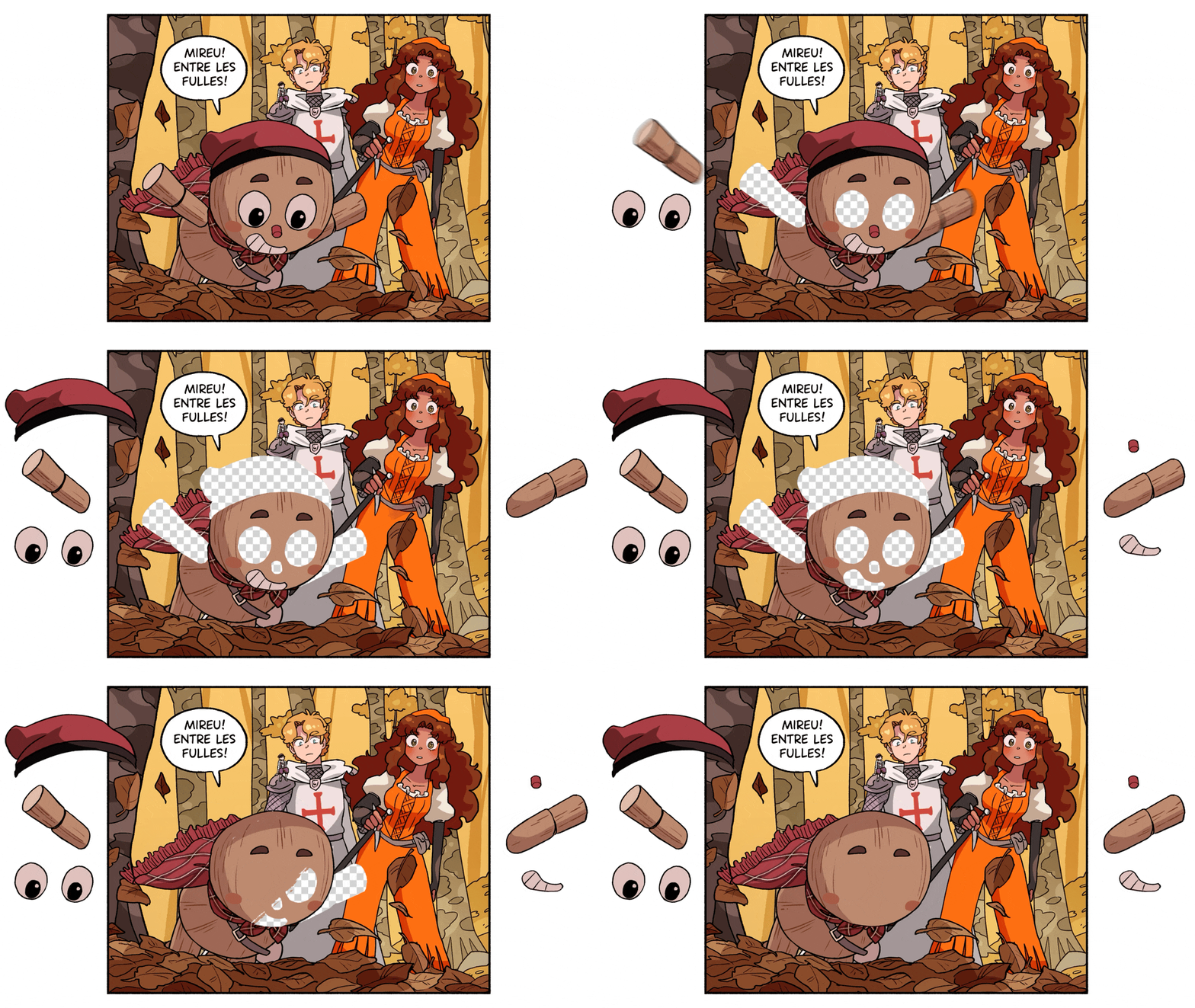
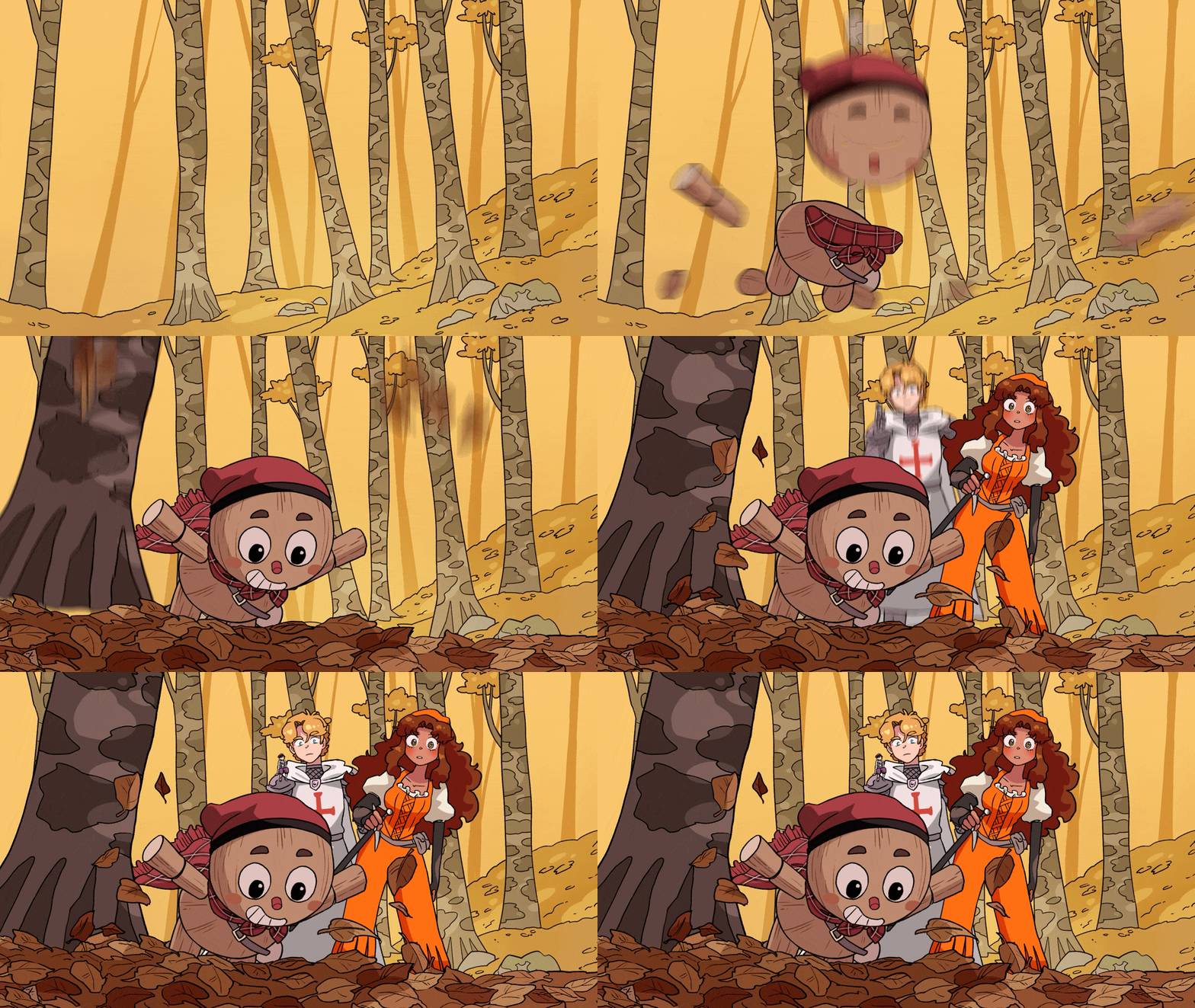
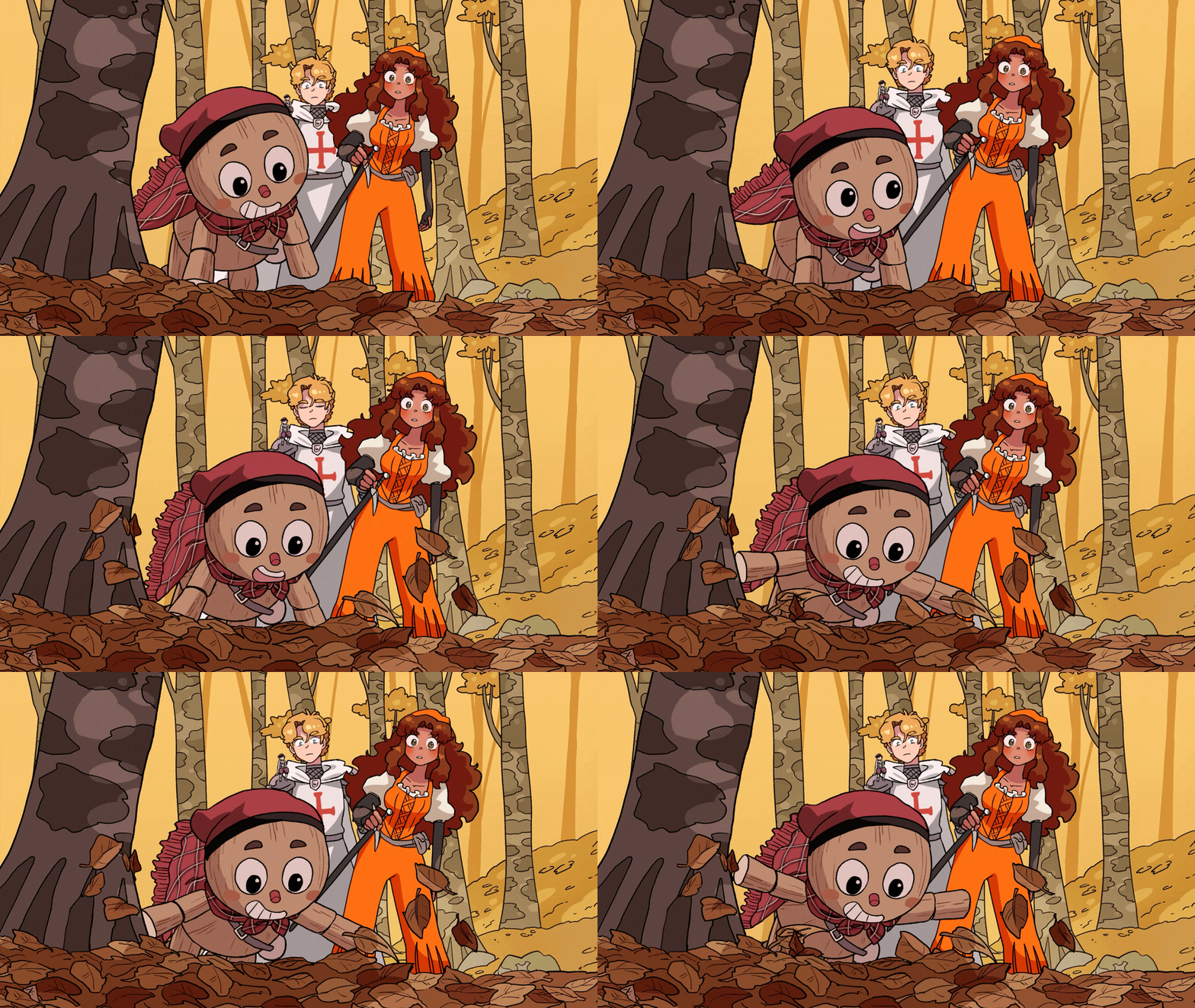
With only three animators in the studio carrying the burden of production, going frame-by-frame (traditional animation techinque) was completely ruled out; it would have taken years. We had to adopt an almost engineering mentality: optimizing resources without sacrificing visual identity. The key was to bet on the cutout technique. It is a method in shows like South Park, creating articulated characters as if they were digital puppets, but adapted to the outline and visual richness of the original comic.
In-house innovation: Creating the technology you couldn’t buy
Q: Beyond the character design, the series is surprising for its fluidity. What technical solutions did you have to come up with in the studio?
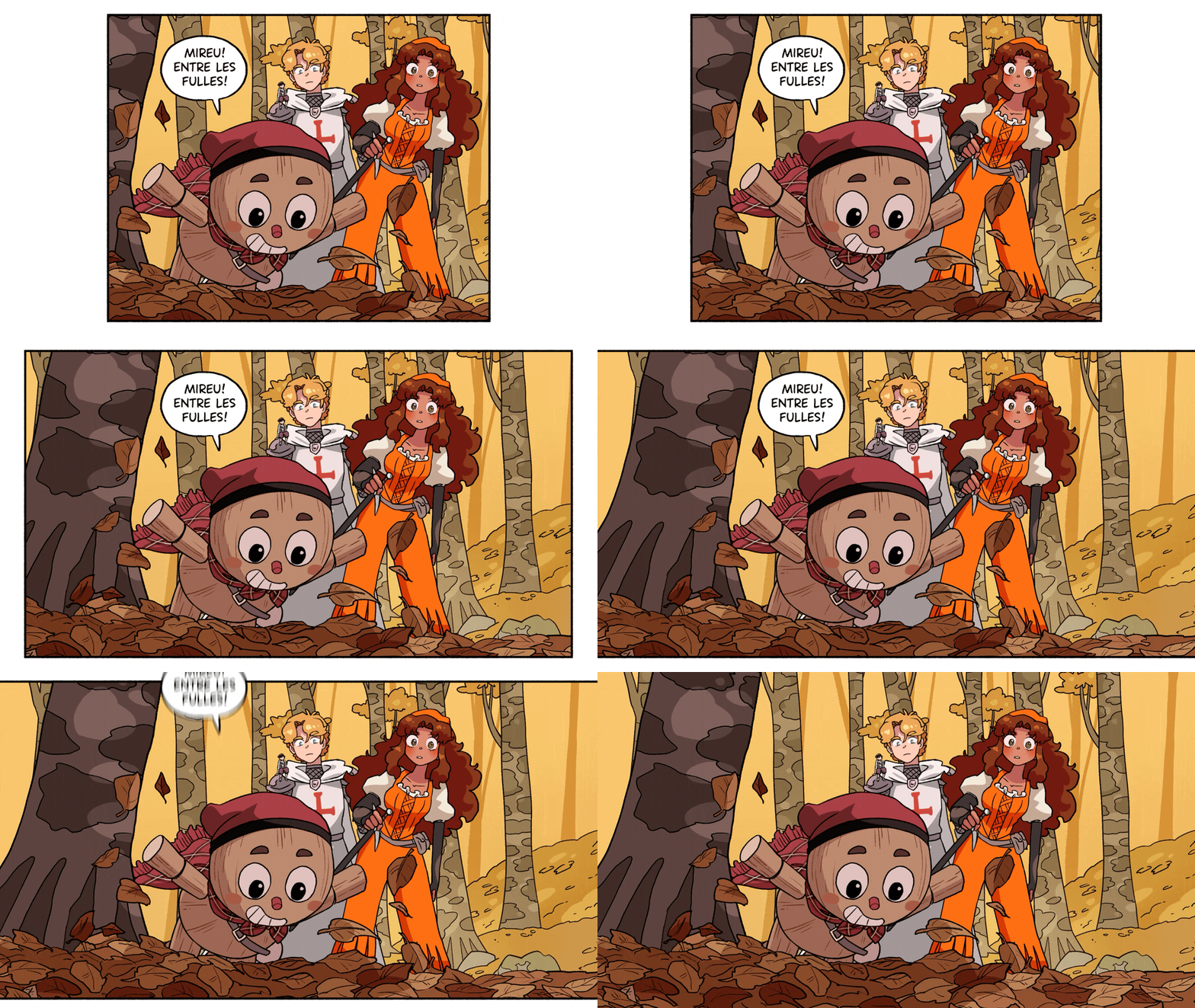
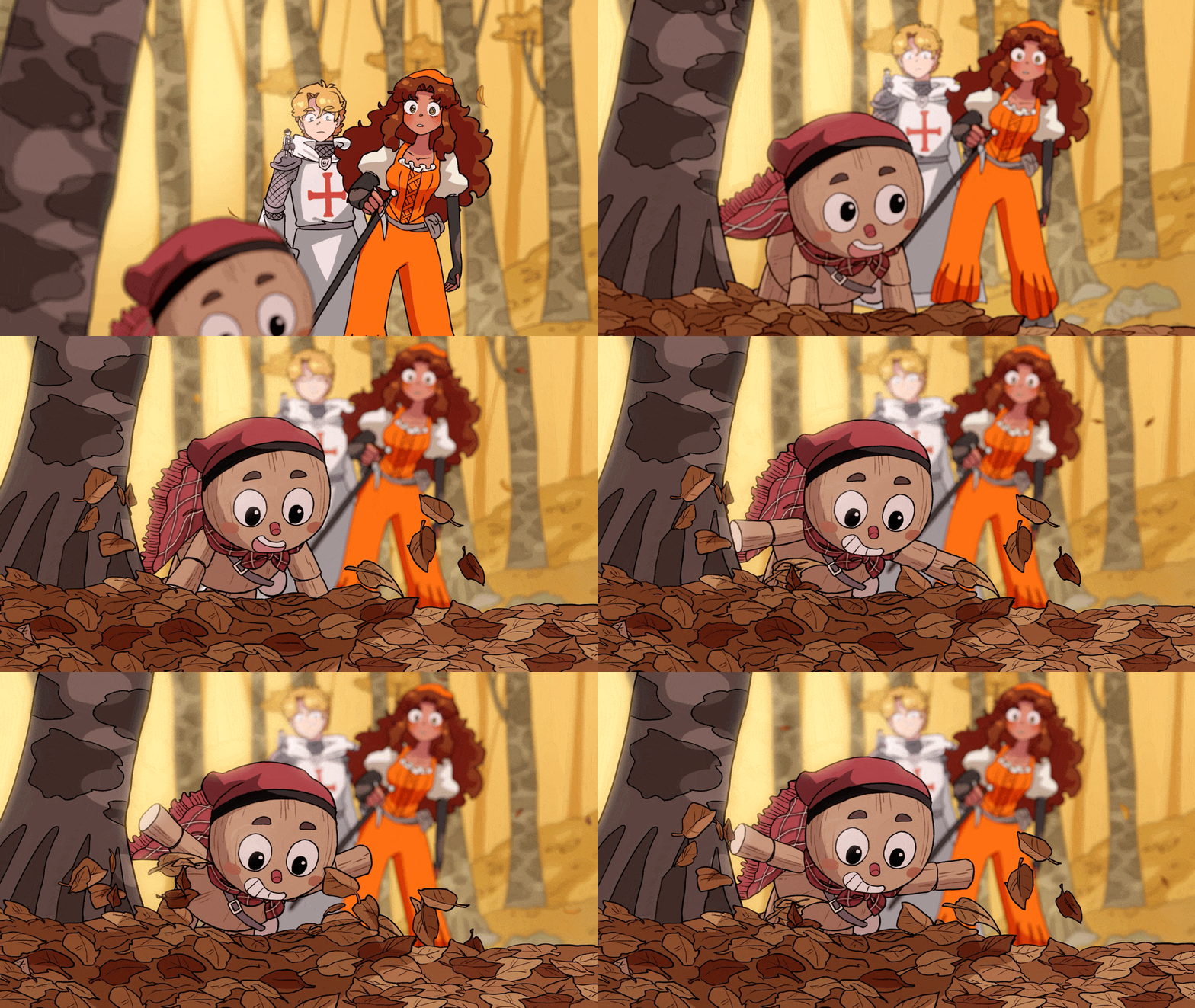
Àlex: Since cutout can tend to be a bit stiff, we spent the first few months programming our own tools to make sure the animation was smooth and natural. The most important was an automatic secondary physics system. We wanted that when characters run, their hair, cape, and clothes react to movement and wind naturally, without the animator having to manually draw each oscillation. This saved us hundreds of hours of mechanical work.
The other big pillar was the lip-sync system. We designed a custom tool to automate the different mouths based on the audio tracks. So, instead of wasting weeks fitting each letter with a mouth shape, the software did the bulk of the work. Thanks to this, the animation team was able to focus exclusively on what really brings the series to life: the expressiveness of the face, the body language, and the rhythm of the comedy.
“We don’t have the resources of the big American or Japanese animation studios, but the lack of budget forces you to be more free and make up your own rules.”
The sound of Valentina: Giving voice and rhythm to the universe of Míriam Bonastre
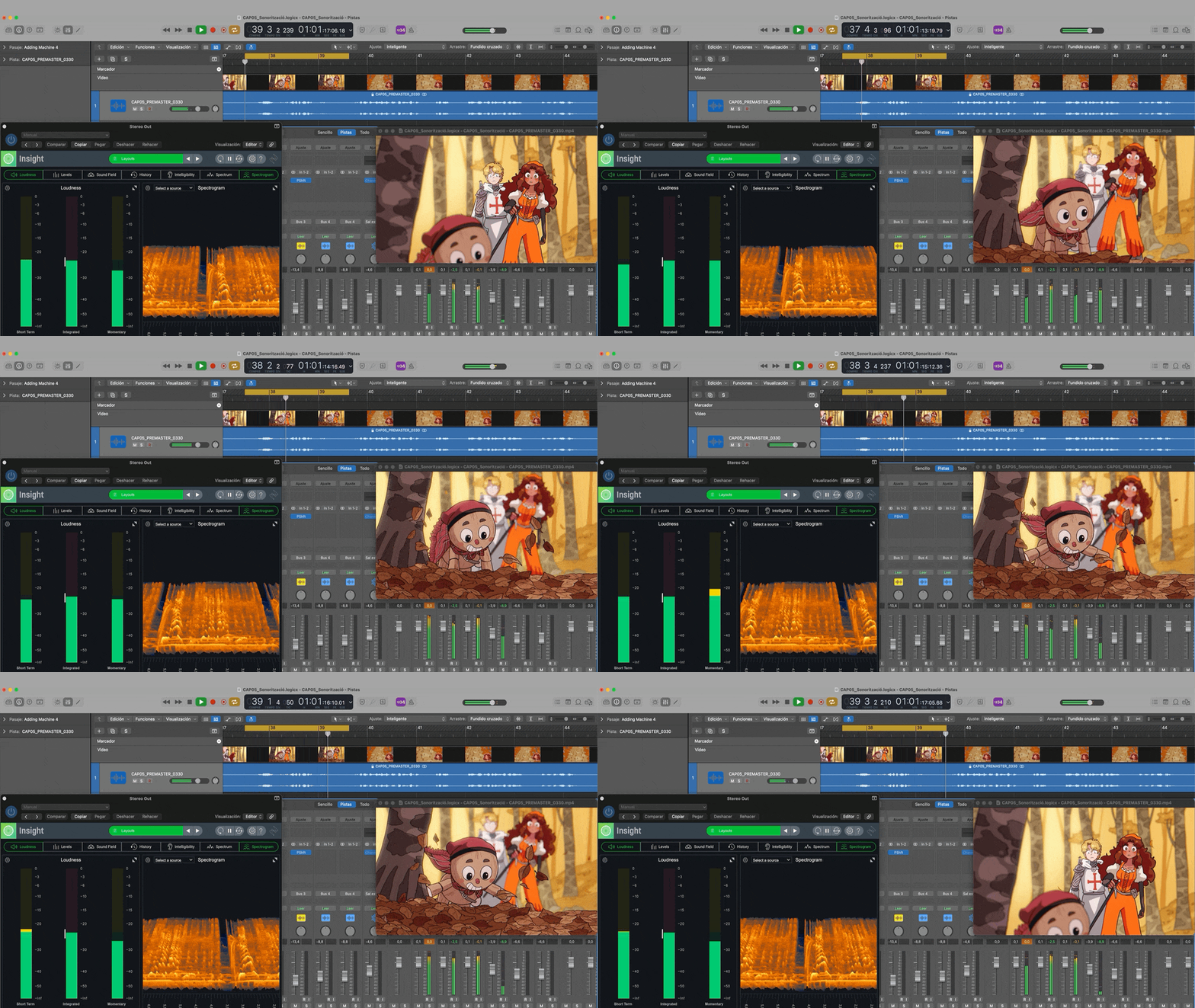
Q: In an animated series, voice and music represent 50% of the soul of the story. What was the audio post-production process like?
Àlex: It was a very nice journey. In the first phase, in order to work on the storyboards and adjust the tempo of each gag, the studio team recorded some reference voices ourselves (the “mockup”). We had a great time, although obviously the magic came when we went to the Sonilab Studios studios to record the definitive voices.
Having top-level dubbing actors like Iris Lago playing Valentina, Xavier Castanyer as Jordi, Maria Romeu playing the magician Soc or Marc Canyadell in the role of Patufet elevated the project to another level. They nailed it first try.
On a musical level, Eloi Casellas has done a spectacular job composing an original soundtrack that is directly inspired by folklore and traditional Catalan melodies, but with a modern twist. And the opening sung by Alba Grau has a strength that we are very proud of; it is captivating from the first note.
Lessons from Manlleu: The future of independent animation
Q: Looking back and seeing the phenomenon of Valentina de Montblanc, what is the main conclusion of this adventure?
Àlex: The conclusion is that quality animation in Catalan is possible outside of the usual large infrastructures if you have a committed team and an intelligent methodology. We are very excited and proud to have launched Valentina de Montblanc from Manlleu. It has been an intensive learning process for all of us. We have shown that with a small group of passionate professionals and the right tools, incredible results can be achieved that have nothing to envy to much larger productions. We are looking forward to new and consolidated studios entering this world.